How DoorDash Scaled Outbound from $291M to $8.6B with Full-Cycle Field Reps, City-Level Ownership, and No SDRs
Diane Ring, Sr. Director of Sales Ops at TouchBistro and former DoorDash leader, shares how DoorDash scaled to 15,000 employees without an SDR team, and lessons from expanding outbound into Canada.
By Elric Legloire · EP 24 · Published January 21, 2026 · ~59m
In this episode
Episode Summary
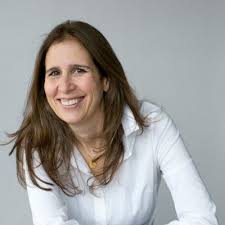
Diane Ring has been at the intersection of strategy and operations for over a decade. She was part of the team that scaled DoorDash from 500 to 15,000 employees, building the outbound machine for their restaurant marketplace. She is now VP of Strategy and Ops at TouchBistro, where she is applying those lessons to B2B SaaS outbound.
This episode covers the full arc — from why DoorDash never hired SDRs, to what changes when you expand internationally, to how ops leaders should actually work with sales teams.
What We Discuss
Why DoorDash Had No SDRs
DoorDash scaled to a $3B+ revenue company without an SDR team. Diane breaks down the four structural reasons:
- Sales cycles were too fast. Adding a handoff between SDR and AE would have slowed a deal already moving at high velocity.
- Field sales requires relationship continuity. Restaurant owners needed to feel a relationship with one person from first touch.
- The market was subscale. 200 restaurants in a territory. Reps could look at Google Maps and find prospects directly.
- The product required education. In 2018, restaurants did not understand why they needed a delivery marketplace. An SDR could not sell the concept — an AE had to educate from the first conversation.
The 30% Data Quality Gap
When DoorDash expanded into Canada, Diane discovered that the same data vendor had a 30% quality difference between US and Canadian data. Same vendor, same product, same promises — dramatically different results.
The lesson: you cannot assume a vendor contract that works in your home market will work internationally. Test every market independently.
Why Canada Requires a Different Playbook
Canada has the same geographic footprint as the US with one-tenth of the population. That changes everything:
- Less density means fewer accounts per territory
- Enterprise in Canada is mostly US-based conglomerates
- The real opportunity is fragmented mid-market players
- The US enterprise-first playbook does not translate
Just Start Scoring
Most companies skip lead scoring entirely because they think their data is not clean enough. Diane’s advice: just start.
The progression:
- Start with your TAM and basic contact information
- Score based on what you know about your ICP, even if it is rough
- Give reps multiple paths to quota (a few large accounts vs. many smaller ones)
- Add enrichment fields over time to improve accuracy
- Build feedback loops with data vendors to refine inputs
”How Do I Make Your Life Easier?”
The most quotable insight from the episode. Instead of leading conversations with sales teams by asking “why aren’t your numbers moving,” Diane starts with “how do I make your life easier?”
She learned at DoorDash that making a rep’s day easier — fewer mandatory fields, better data, simpler contracts — moves metrics faster than interrogating the metrics themselves.
Tools and Resources Mentioned
- TouchBistro — Where Diane leads Strategy and Ops
- DoorDash — Where she scaled the outbound machine
More Episodes
How ElevenLabs Scaled Outbound From 5% to 46% With Human SDRs
with Jonathan Chemouny
Jonathan Chemouny, GTM at ElevenLabs, shares how he scaled outbound from 5% to 46% of pipeline in one year with no standups, no job titles, and SDRs hired from finance and VC instead of sales.
How to Rebuild an SDR Team and 3x Outbound Pipeline
with Will Rohleder
Will Rohleder rebuilt TeachTown's SDR team and 3x'd outbound pipeline with the same four reps. The system: territory, show rate, stage-3 comp, and hiring.
5 AI Cold Call Training Use Cases (JumpCloud)
with Troy Johnson
Troy Johnson shares 5 AI role-play use cases from JumpCloud's SDR team: onboarding certification (100+ practice reps), gamified competitions, Gong-driven objection drills, and AE prep.